



Resposta imediata: Escolhendo a válvula de corte correta O fator mais crítico válvula de corte A seleção é combinar o tipo e o material da válvula com a pressão, temperatura e mei...
LEIA MAISPor que nos escolher?
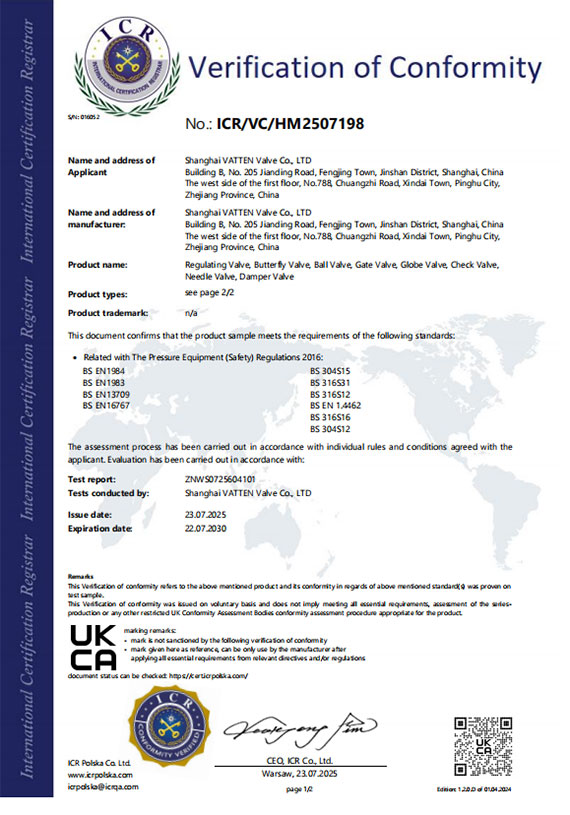
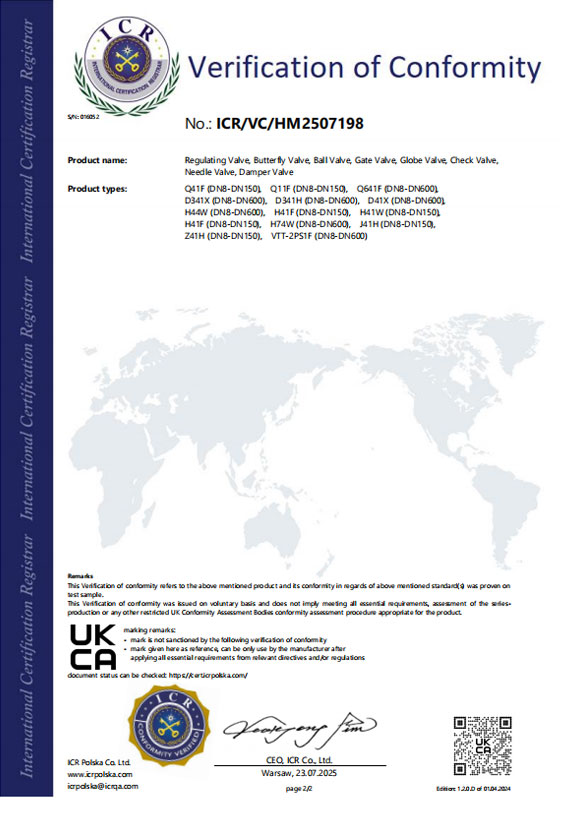
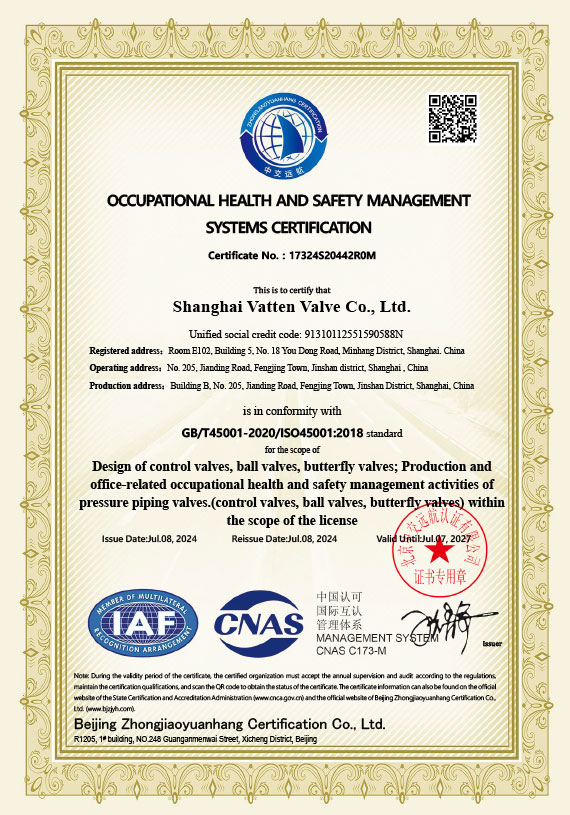
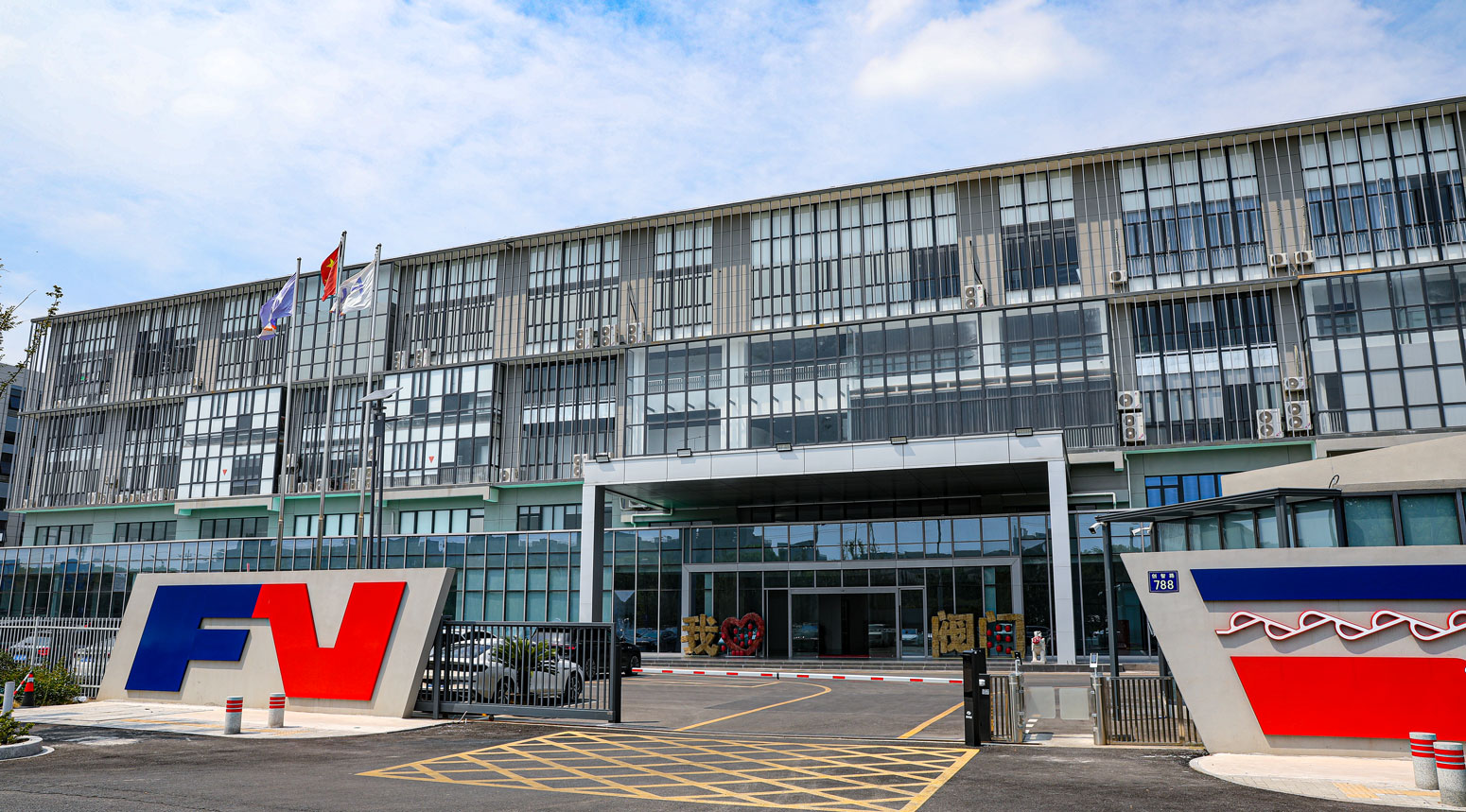
Vatten Valve Group, uma empresa de válvulas de automação industrial de renome mundial originária de Saarland, Alemanha, é especializada na pesquisa, desenvolvimento e fabricação de produtos essenciais, como válvulas de esfera de controle automático, válvulas borboleta e válvulas reguladoras. Aproveitando nossa experiência tecnológica excepcional, fornecemos soluções de válvulas inovadoras e suporte técnico profissional para indústrias críticas, incluindo energia, química, tratamento de água, farmacêutica e processamento de alimentos.
Fornecedor de válvula de autocontrole
Válvula de gaveta elétrica Fabricantes
-
A válvula gaveta elétrica de ferro fundido consiste em um corpo de válvula tipo gaveta emparelhado com um atuador elétrico multivoltas, que aci
-
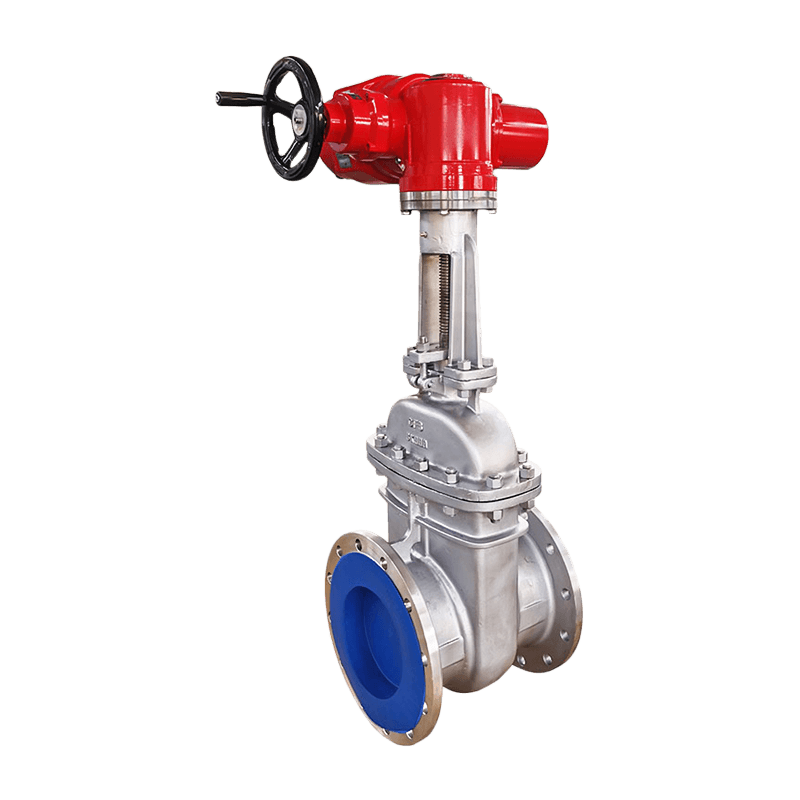
A válvula gaveta elétrica de aço inoxidável é composta por um corpo de válvula tipo gaveta emparelhado com um atuador elétrico multivoltas.
A válvula de gaveta eléctrica VATTEN é um dos produtos mais utilizados da nossa gama, nomeadamente no sector municipal, conhecida pelas suas excelentes funções de abertura e fecho. Esta válvula gaveta elétrica emprega tecnologia avançada de controle elétrico para obter uma operação precisa, garantindo um fluxo suave de fluido e o funcionamento eficiente do sistema.
Nas estações de tratamento de água destaca-se o desempenho da válvula gaveta elétrica VATTEN. Regula eficazmente o fluxo de água, mantendo uma vedação forte, reduzindo a frequência de manutenção e melhorando significativamente a estabilidade e a vida útil do equipamento. Além disso, seu design leva em consideração a resistência à corrosão e a durabilidade, tornando-o adequado para ambientes aquáticos complexos.
Além disso, a válvula gaveta elétrica VATTEN é amplamente utilizada na gestão de rios e outros projetos de engenharia. Nestes projetos, a função de controle automático da válvula melhora muito a eficiência geral e a segurança das operações, minimizando os riscos associados à intervenção manual.
Feedback da mensagem
Sobre nós
Vatten Valve Group, uma empresa de válvulas de automação industrial de renome mundial originária de Saarle, Alemanha, é especializada na pesquisa, desenvolvimento e fabricação de produtos essenciais, como válvulas de esfera de controle automático, válvulas borboleta e válvulas reguladoras. Aproveitando nossa experiência tecnológica excepcional, fornecemos soluções de válvulas inovadoras e suporte técnico profissional para indústrias críticas, incluindo energia, química, tratamento de água, farmacêutica e processamento de alimentos.
Como Válvula de gaveta elétrica Fabricantes e Válvula de gaveta elétrica Companhia, O Grupo opera quatro bases de produção de última geração estrategicamente localizadas em Xangai, Tianjin, Lishui e Jiaxing, na China. Para melhor servir os mercados internacionais, estabelecemos filiais em localizações estratégicas, incluindo o Reino Unido, Turquia, Bielorrússia, Arábia Saudita e Indonésia. A abertura do nosso escritório na Indonésia alarga significativamente a nossa capacidade de serviço no mercado do Sudeste Asiático, garantindo um apoio técnico e serviços ágeis e eficientes aos parceiros e clientes locais.
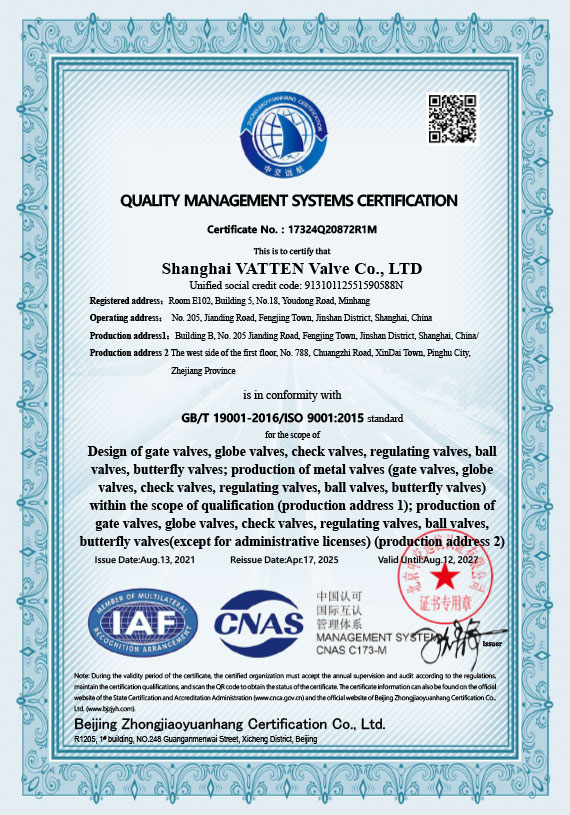
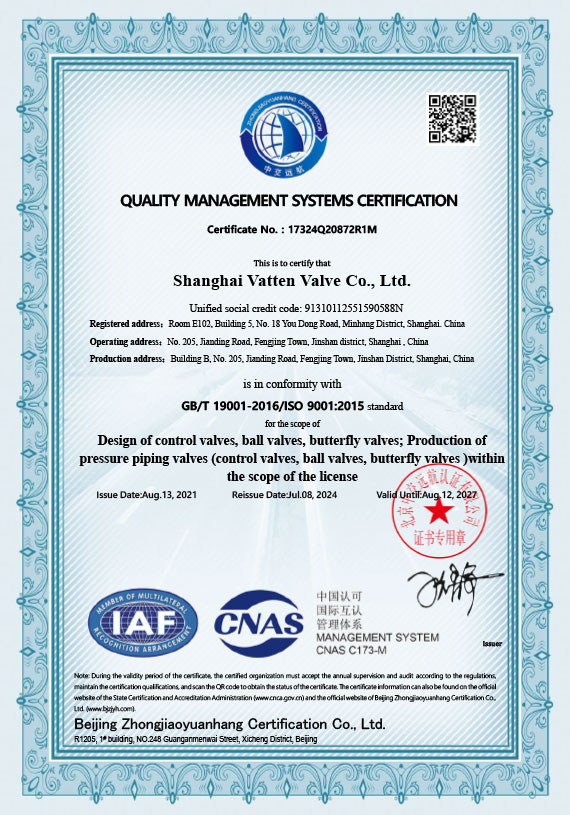
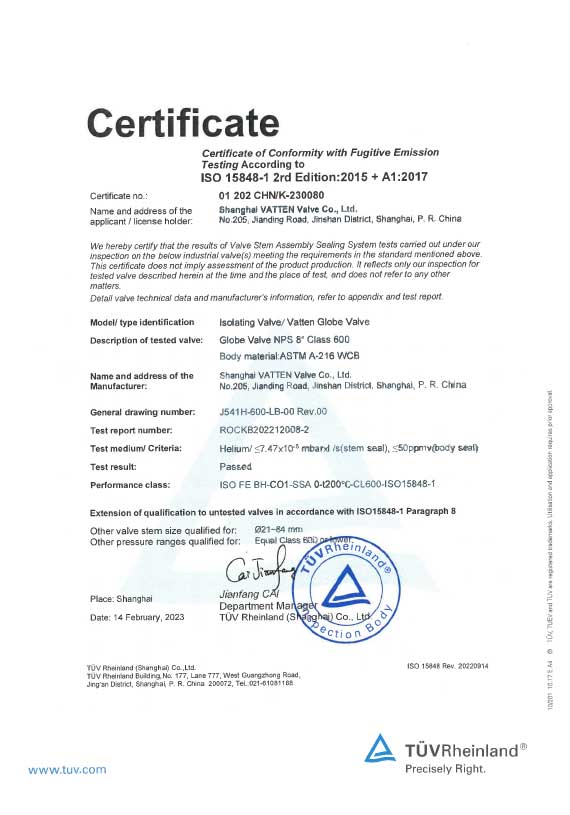
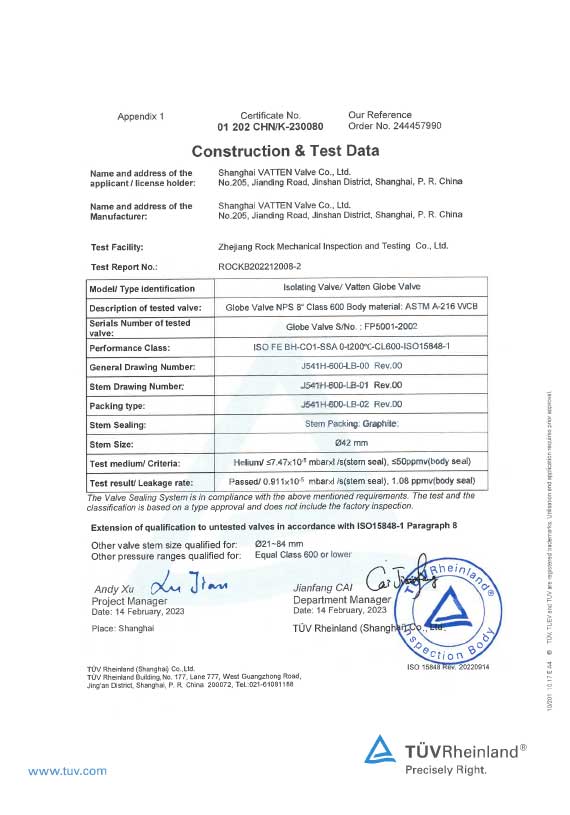
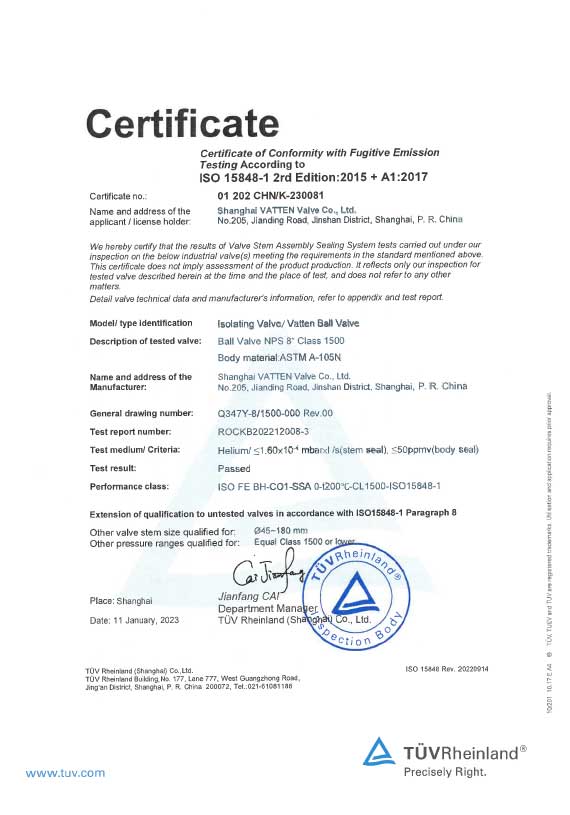
Com raízes na tradição alemã de fabrico de precisão, a Vatten Valve mantém o foco nas válvulas de controlo automático, aderindo rigorosamente às normas internacionais de qualidade. Fornecer Personalizado Válvula de gaveta elétrica. Estamos empenhados na inovação contínua, fornecendo aos clientes produtos de desempenho superior, suporte técnico profissional e soluções abrangentes para o controlo de fluidos, capacitando-os para enfrentar desafios complexos no controlo de fluidos industriais.
Notícias
-
-
Válvulas de descarga inferior são dispositivos de controle de fluxo instalados no ponto mais baixo de um recipiente, tanque ou tremonha para permitir a liberação controlada de sólidos a granel, l...
LEIA MAIS -
Um válvula borboleta é uma válvula rotativa de um quarto de volta que controla o fluxo de fluido através de um disco circular girando perpendicularmente à direção do fluxo. O disco, montado em ...
LEIA MAIS -
Compreendendo como as válvulas borboleta são combinadas em sistemas de tubulação modernos Combinando válvulas borboleta são uma abordagem prática de engenharia usada para melhorar o controle de flu...
LEIA MAIS
Conhecimento da Indústria
What Are the Common Maintenance Practices for Electric Gate Valves?
Electric gate valves are critical components in various industries, providing automated control for the flow of fluids and gases in systems that require precise and efficient operation. While electric gate valves are designed for durability and long-term use, proper maintenance is essential to ensure their optimal performance and longevity. Regular maintenance practices not only help avoid unexpected failures but also enhance the safety and efficiency of the entire system. In this article, we will explore the common maintenance practices for electric gate valves, focusing on the tasks that help extend their lifespan and maintain peak performance.
Understanding Electric Gate Valves
Electric gate valves use an electric actuator to control the opening and closing of the valve. These valves are often used in automated control systems where remote operation is required. The actuator, typically powered by electricity, is responsible for moving the gate (or wedge) in and out of the valve body, allowing or blocking the flow of fluids or gases. Electric gate valves are commonly found in industrial applications such as water treatment, oil and gas, chemical processing, and HVAC systems.
Despite their automation and ease of operation, electric gate valves are still mechanical devices that require regular maintenance to ensure long-term reliability. Neglecting routine maintenance can lead to premature wear, reduced performance, or even valve failure, which can cause system downtime or unsafe conditions.
Key Components of Electric Gate Valves
Before diving into the maintenance practices, it's important to understand the key components of an electric gate valve. These components include:
- Electric Actuator: The component that powers the valve's opening and closing mechanism. It is typically controlled by a motor and can be either a stepper motor, DC motor, or AC motor, depending on the application.
- Gate or Wedge: The part of the valve that physically obstructs or allows the flow of fluid or gas. The gate moves vertically within the valve body to control flow.
- Valve Stem: The part that connects the electric actuator to the gate. The stem moves the gate up and down when the actuator is engaged.
- Seals and Packing: These components help ensure that the valve is leak-proof when in the closed position, preventing fluid or gas from escaping the system.
- Limit Switches: These devices signal when the valve is fully open or fully closed, providing feedback to the control system to prevent over-travel and damage to the actuator.
Common Maintenance Practices for Electric Gate Valves
1. Regular Inspection of Actuators
The actuator is the heart of an electric gate valve, as it is responsible for controlling the valve's operation. Regular inspection of the actuator is crucial to ensure smooth operation and prevent premature failure. During inspections, check the following:
- Motor Function: Ensure that the motor is functioning properly by observing if the actuator moves the gate smoothly and without hesitation.
- Electrical Connections: Inspect the wiring and connections for signs of wear, corrosion, or loose connections, which can cause power interruptions or malfunctioning of the actuator.
- Lubrication: Check if the actuator requires lubrication to reduce friction and ensure that moving parts do not wear out prematurely.
2. Seal and Packing Inspection
The seals and packing in an electric gate valve prevent fluid or gas leaks when the valve is closed. Over time, these components can degrade due to constant pressure and flow, leading to leaks or inefficient sealing. Inspect the seals and packing regularly for signs of wear, cracking, or deformation. If any damage is found, replace the seals to maintain the valve’s leak-proof integrity. Common checks include:
- Look for signs of leakage around the valve body.
- Inspect the packing gland for tightness and adjust if necessary.
- Check for excessive stem movement, which could indicate that the packing is worn or damaged.
3. Cleaning and Debris Removal
Electric gate valves are exposed to various conditions that can introduce dirt, debris, and contaminants into the system. These particles can clog the valve’s components, interfere with the actuator’s movement, and cause the valve to malfunction. Regular cleaning and debris removal are essential maintenance practices:
- Clean the valve body and actuator to prevent buildup of contaminants that could impede smooth operation.
- Check for any foreign objects lodged in the valve seat or stem, and remove them carefully.
- If the valve is used in harsh environments (e.g., chemicals or abrasive materials), use appropriate cleaning solutions to ensure safe and effective cleaning.
4. Testing the Limit Switches
Limit switches are crucial in preventing the valve from over-traveling, which could damage the actuator or the valve itself. Over time, limit switches can become misaligned or malfunction. Testing the limit switches regularly ensures that the valve stops at the correct open and closed positions:
- Test the limit switches by manually moving the valve and checking that the switches are engaging when the valve reaches its fully open or closed positions.
- Adjust the limit switches if necessary to ensure proper valve positioning.
- Inspect the electrical contacts of the limit switches for wear or corrosion and replace them if needed.
5. Lubrication of Moving Parts
Proper lubrication is essential to ensure that the moving components of the electric gate valve operate smoothly and efficiently. The valve stem, actuator components, and other moving parts should be lubricated periodically to reduce wear and friction. Lubrication helps prevent the accumulation of dirt and debris, which can lead to corrosion or valve failure. Be sure to:
- Use the correct type of lubricant for the specific valve components, as recommended by the manufacturer.
- Lubricate the valve stem and actuator regularly, particularly in systems with high-frequency operation.
- Inspect for excess lubrication, which can attract contaminants and cause operational problems.
6. Monitoring and System Diagnostics
In automated systems, continuous monitoring and diagnostics are essential to ensure that the electric gate valve operates correctly. Many modern control systems come equipped with diagnostic tools that can monitor the valve’s performance and alert operators to potential issues before they become critical:
- Use system diagnostics to monitor valve performance, including actuator speed, valve position, and control signals.
- Install pressure and temperature sensors to detect any abnormal conditions that could affect the valve’s operation.
- Regularly check the control system to ensure that it is providing accurate feedback from the valve’s limit switches and actuators.
Conclusion
Regular maintenance of electric gate valves is critical to ensuring that they operate efficiently and reliably. By following these maintenance practices—such as inspecting actuators, checking seals and packing, cleaning components, and testing limit switches—industries can extend the life of their electric gate valves, reduce the risk of unexpected failures, and improve system safety.
By integrating these common maintenance practices into regular service schedules, industries can keep their electric gate valves performing at optimal levels. Timely inspection and repairs, along with proper lubrication and cleaning, ensure that the valves remain durable and continue to meet the demands of automated control systems. Furthermore, adopting a predictive maintenance approach by utilizing system diagnostics and monitoring tools can help identify potential issues before they lead to expensive repairs or operational interruptions.
Ultimately, the key to maintaining electric gate valves is a comprehensive maintenance strategy that includes both preventative measures and corrective actions when necessary. With consistent upkeep, these valves will continue to provide reliable service, contribute to efficient flow control, and ensure the overall safety of the industrial systems they support.
DETALHES DE CONTATO
- Morado: Ruko Euro Ásia Blok OSB 21B. Rua Boulevard Osaka, Salembaran, Kosambi, Tangerang Regency, Banten 15214
- TEL: +62 81181207290
- E-mail: [email protected]
LINK RÁPIDO
PRODUTO
Se você estiver interessado
Em nossos produtos,
Consulte-nos
Direitos autorais © Grupo de válvulas Vatten Todos os direitos reservados.
